

Description
Unexpected Death: supporting children when everything changes at once
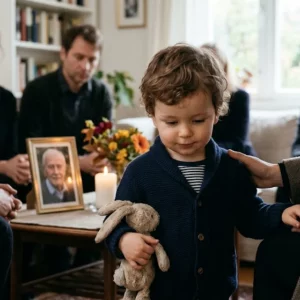
An accident, a suicide, a violent crime, a sudden illness. With an unexpected death there is no run-up, and the child is often the last to learn what actually happened. Yet this child is the one who will carry the story for the rest of their life. What you say, leave unsaid and ask in the first days and weeks matters.
This course is based on my workshop on unexpected death and consists of eight short lessons. You read at your own pace, with no video, and can return to earlier sections whenever you like.
What you will learn
- Why children feel guilty even when there is no reason to, and how to respond without brushing it aside.
- How to explain what has happened at the child’s developmental level, without softening the story until it is no longer true.
- How to deal with fear and safety: what a child really needs, and what probability does and does not tell them.
- What images and media do to children, from news coverage to what they see on their phones.
- How to talk about suicide, with a language card you can use straight away.
- What this looks like in practice, through four cases.
- Where lightness and humour have a place even in heavy situations, and why the long view matters.
What you get
- 8 lessons, fully written out
- A worksheet, a conversation sheet on fear and safety, and a language card on suicide, all downloadable
- A final test of 14 questions
- A certificate when you pass the test
- Access in English, Dutch or German
Who it is for
Funeral directors, palliative and hospice care staff, professionals in schools, nurseries, social care and youth services, and anyone who supports children professionally after a death.
Our approach
We start from relationship, developmental level and what a child can bear when the adults around them stay honest and close, not from diagnosis and disorder. Children are not bystanders who must be shielded from what has happened. They are part of it.

Reviews
There are no reviews yet.